



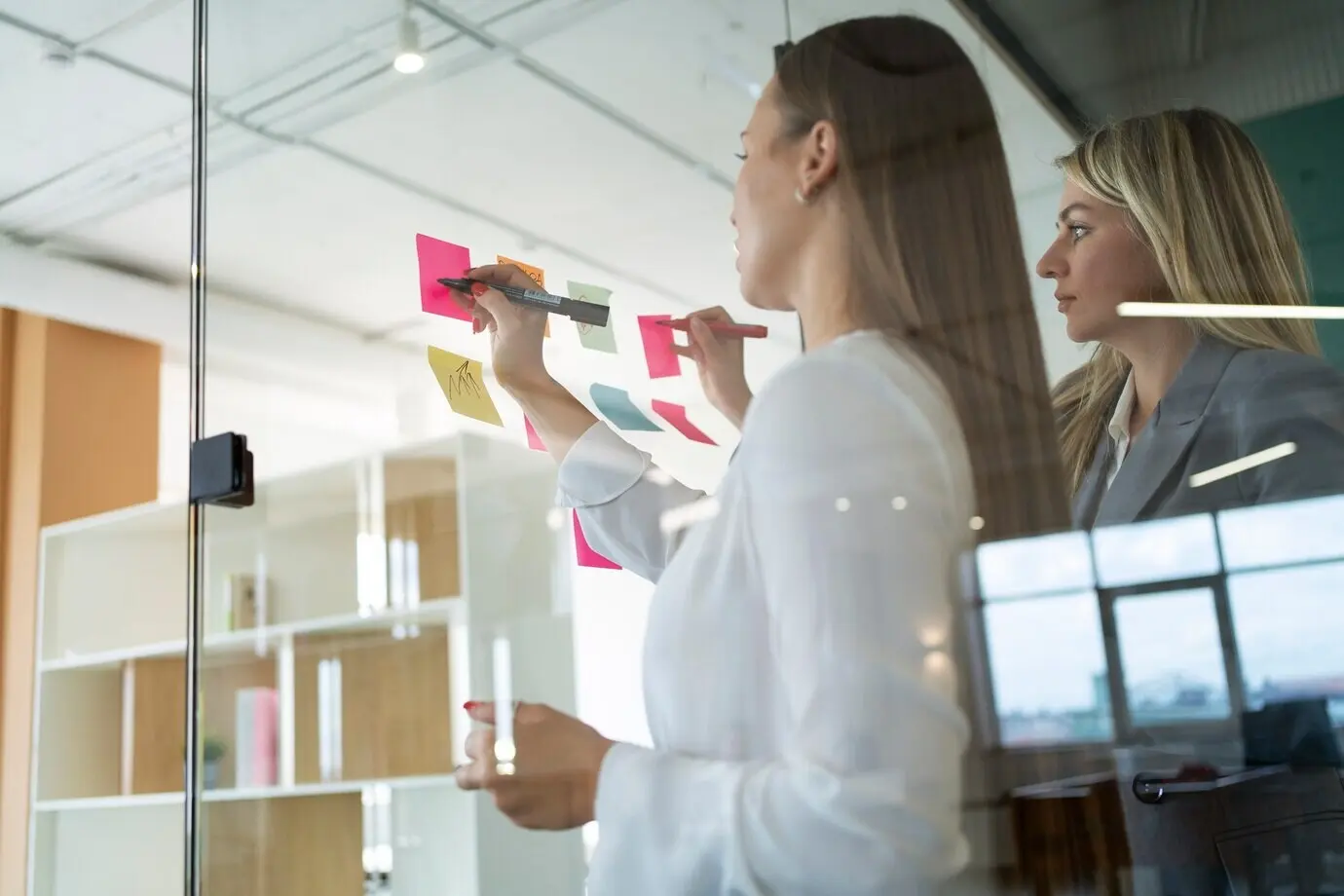
One-word check-ins that land
Invite everyone to share one word describing energy or focus. The brevity reduces pressure while signaling presence. Capture themes in a shared note to adapt plans. Over time, people notice patterns, offer support earlier, and coordinate work with more care because moods finally have space to be acknowledged.
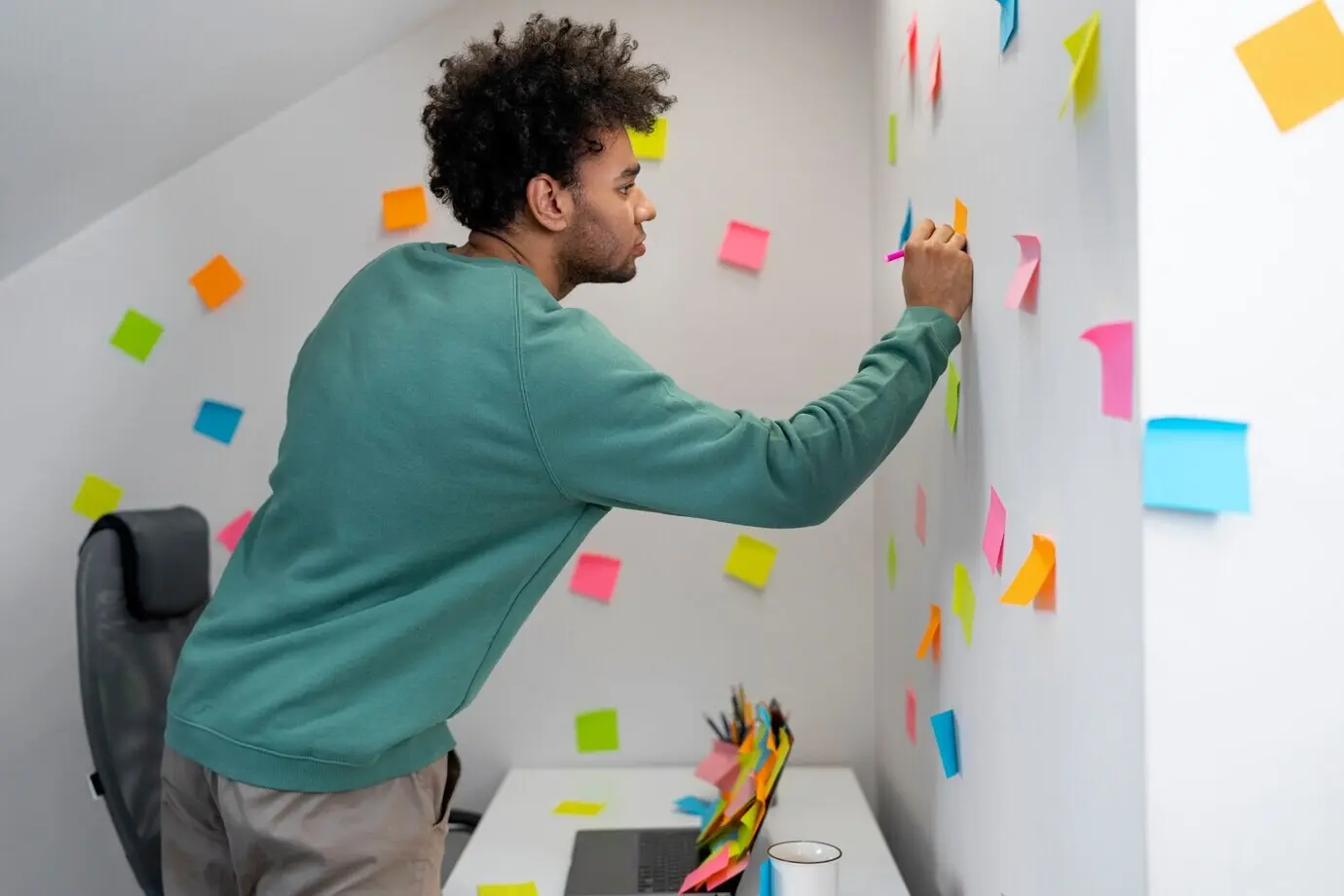
Rapid pair shares with guardrails
Use a ninety-second prompt like what would make today feel successful, then switch partners next meeting. Offer pass rights and clear timing so introverts feel safe. These quick exchanges build empathy, spread context, and prevent derailing discussions later because misunderstandings surface early and respectfully in small, supported moments.

Playful micro-games that respect time
Try simple categories like name a fruit you have never tried while rolling shoulders. Keep scoring optional and laughter welcome. Games should end fast, protect dignity, and never overshadow the work. The point is lightness, not performance, and a smoother shift into meaningful conversation afterward.

Camera-optional motion minutes
Offer a clear countdown, demonstrate moves briefly, and normalize screens off for comfort. For dial-in participants, describe each motion plainly. Synchronous sound cues like a chime or shared playlist keep rhythm without awkward silence. The practice becomes inclusive across bandwidth differences and personal preferences while still uniting attention.

Asynchronous boosters between meetings
Post a one-minute movement gif, a breathing reminder, or a reflective prompt in chat channels. Encourage reactions, not pressure. Latecomers can join the next cycle. This rolling cadence respects time zones and caregiving realities while preserving the shared sense of momentum that rituals reliably reinforce.

Latency-proof timing and sound
Choose simple moves that do not require tight synchronization, like shoulder rolls and long exhales. Share a short playlist beforehand so remote folks can press play locally. A universal three-two-one countdown bridges lag, aligning intention even when video delays would otherwise fragment the shared experience.