
Spark the Room: Quick Collaborative Games Before Meetings

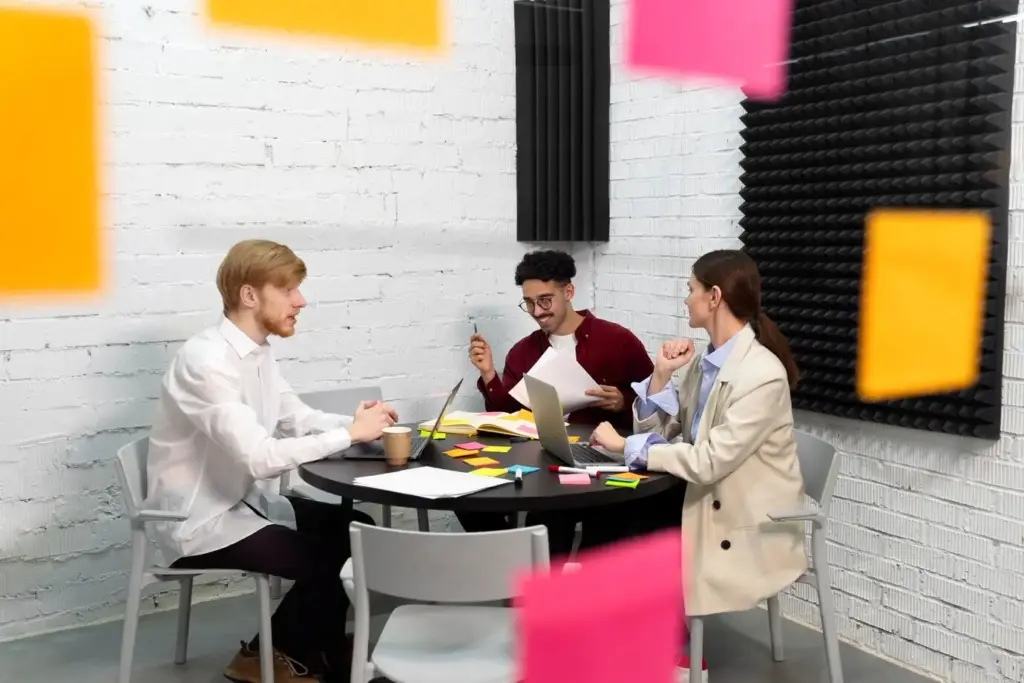

Why Speedy Collaboration Warm-ups Work
The physiology of a ninety-second lift
A tiny burst of movement or laughter nudges heart rate, breath, and posture, prompting a quick shift in alertness. This change often improves blood flow and readiness without causing fatigue. Paired with simple coordination, the body registers shared rhythm, making it easier to listen, respond, and retain details in the meeting that follows.
Social bonding in micro-moments
Coordinated gestures, shared smiling, and brief call-and-response patterns trigger a sense of belonging. Humans calibrate to each other through mirroring and timing. When the opener invites equal participation, the team experiences fairness and warmth, building trust that carries into tougher conversations and reduces the friction that often stalls productive decision-making.
Cognitive switching and meeting readiness
Quick collaboration helps brains disengage from scattered tasks and enter a single shared context. Light rules compress decision cycles, which primes people to focus on the agenda. The small win of a game signals progress, easing anxiety, and creating momentum that encourages clearer updates, sharper prioritization, and more thoughtful participation from quieter voices.
Design Principles for Instant Engagement
In-Person, Remote, and Hybrid Variations
Three Lightning Games Under Three Minutes
{{SECTION_SUBTITLE}}
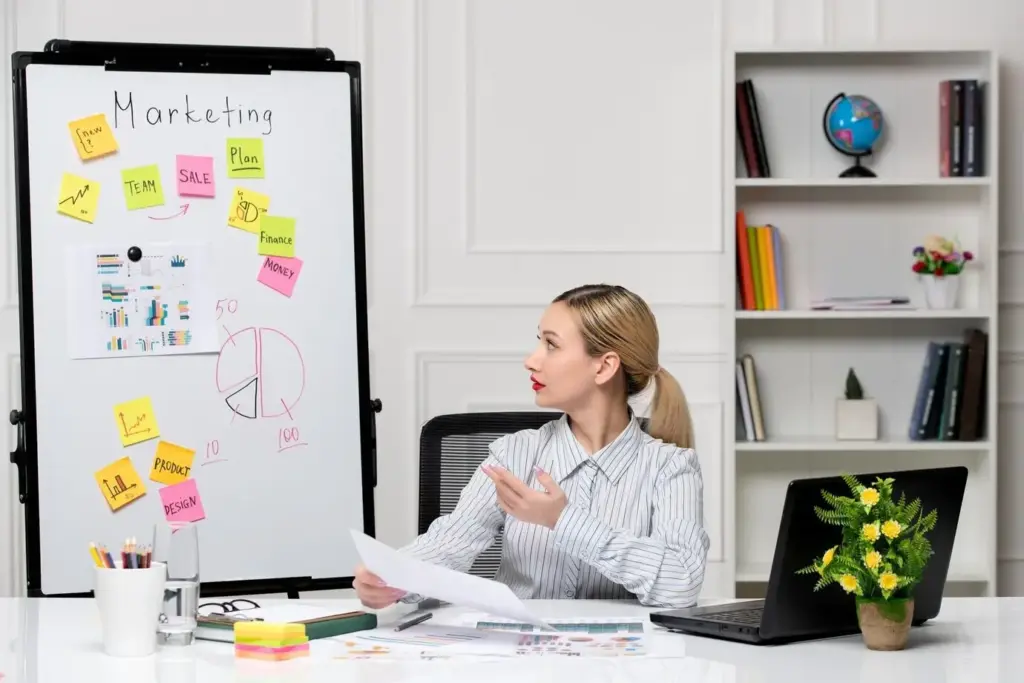
Pass the Clap Remix
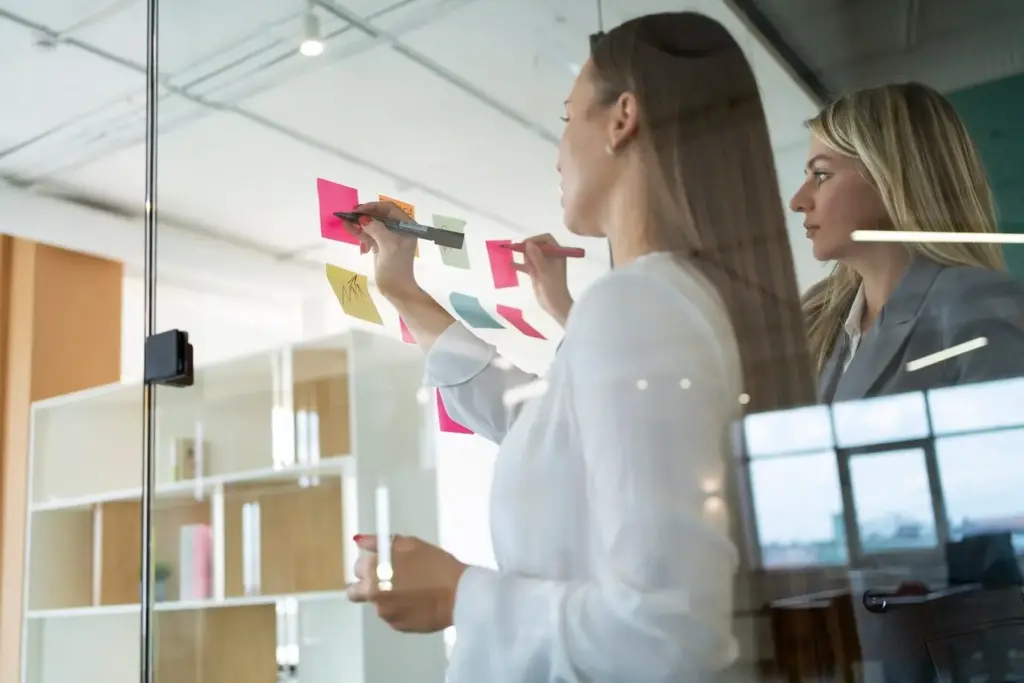
Emoji Status Round
Stories from Real Teams
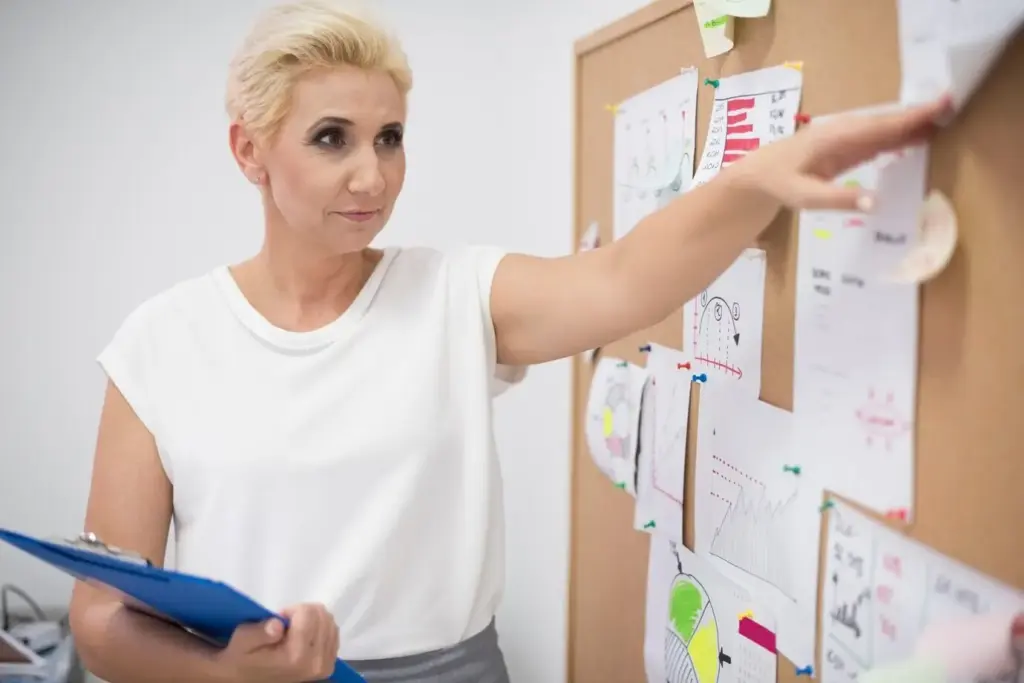
Sales huddle turnaround
Engineers before incident review
Teachers in staff briefing
Ten-second pulse surveys
Facilitator observation checklist
Link to outcomes without overclaiming
All Rights Reserved.