
Bright Starts for Hybrid Teams


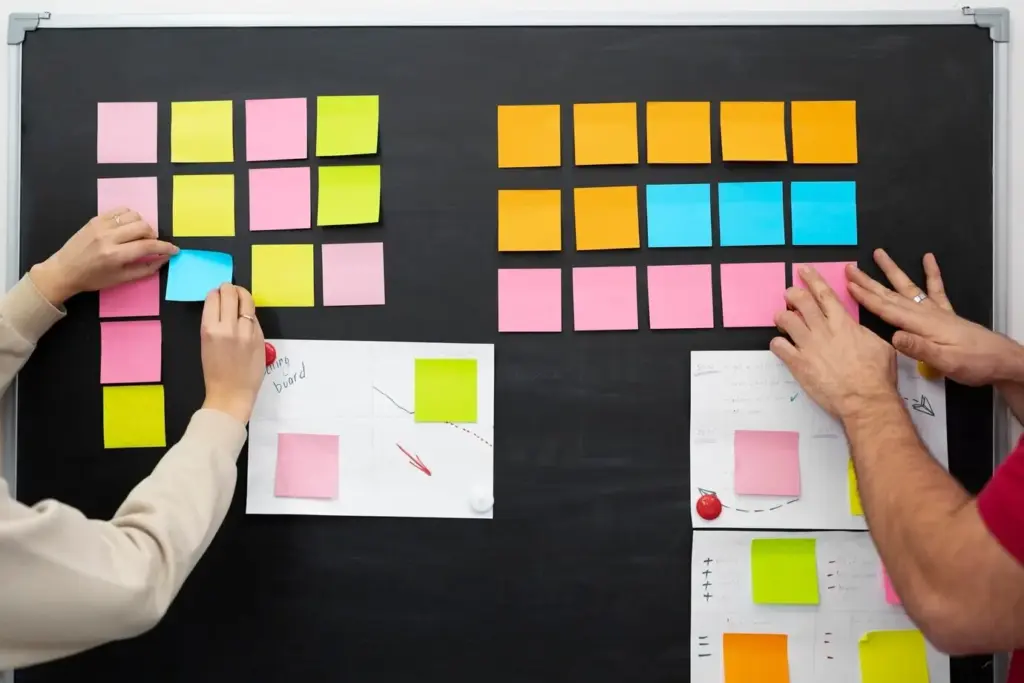
Energize the Day: Quick Openers that Bridge Remote and In‑Office
Two-Minute Wins
Invite everyone to share one tiny victory from the last twenty‑four hours, work‑related or personal. Keep answers under fifteen seconds, model brevity, and celebrate with quick reactions. The practice spotlights progress, builds momentum, and reveals useful patterns without exposing sensitive details or demanding preparation.
Camera-On, Pressure-Off
Ask participants to turn on video only if they want, then use a prop-based prompt that also works on audio, like “hold up something on your desk that makes mornings easier.” Encourage playful show‑and‑tell, accept chat replies, and never require speaking, keeping engagement genuinely voluntary.
Shared Soundtrack Sprint
Drop a collaborative playlist link and ask everyone to add one upbeat, office‑safe track within one minute. Randomly play five seconds from a couple of selections as people guess the contributor. The quick musical lift enlivens transitions and celebrates diverse tastes without awkward spotlighting.
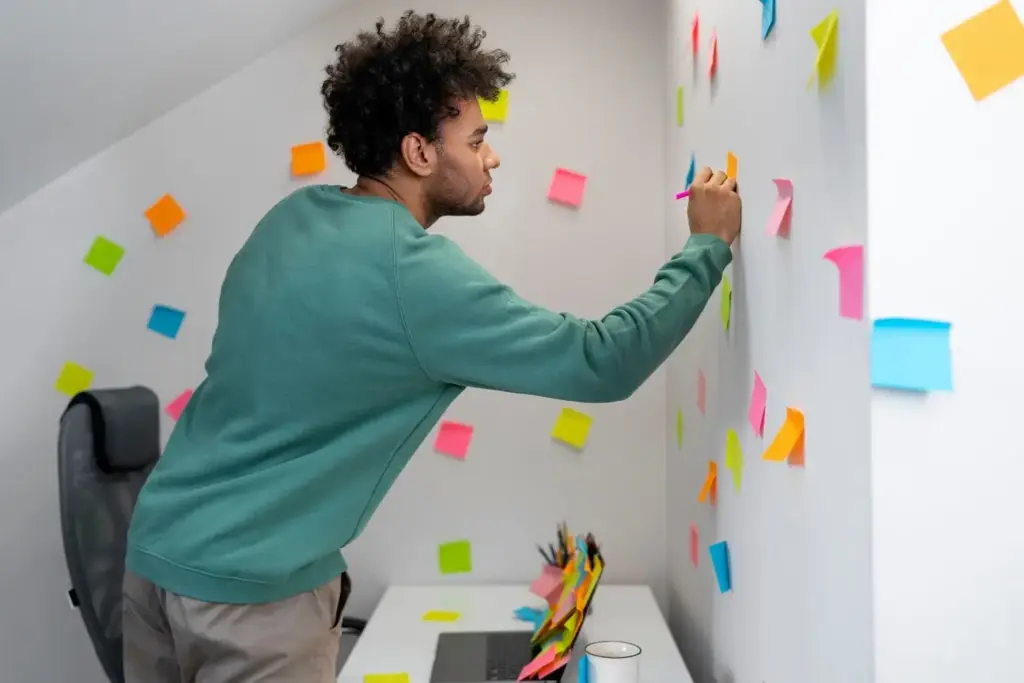
The 1–10 Check-In
Each person shares a number reflecting current energy, optionally adding one sentence about what would increase it. Numbers avoid oversharing while still guiding teammates to adjust pace or support. Track lightly over weeks to reveal patterns that inform sprint planning and workload distribution.
Rose, Thorn, Bud
Invite a quick trio: one positive, one challenge, and one emerging hope. Keep it to bullet‑length spoken lines, allow chat, and discourage problem‑solving during the opener. The structure balances honesty with optimism, helping leaders spot risks early without derailing the morning rhythm.
Micro-Acknowledgments
Start by recognizing unseen contributions, like after‑hours help or documentation improvements. Rotate shout‑outs, cap time, and invite peer nominations to prevent spotlight bias. Gratitude builds reciprocity, reduces siloed thinking, and gently invites quieter voices into the conversation before task-heavy agendas take over.



Cross-Time-Zone Friendly Starts
Asynchronous Icebreaker Thread

Rolling Pair-Ups
Data-Backed Mini-Games
Trivia with Purpose
Create three questions related to current projects, tools, or customer insights, mixing easy wins with surprises. Keep score lightly and celebrate clever explanations. Besides the laughs, you surface knowledge gaps, highlight experts, and spark follow‑ups that strengthen documentation and onboarding materials across distributed teams.
Bias-Aware Randomizer
Use a random picker for volunteers, but show the full list before selection and exclude recent speakers. Explain the fairness logic, invite opt‑outs, and rotate tools. Transparent mechanics protect quieter colleagues, discourage dominance, and keep participation balanced during short activities and fast decision windows.
Rotate Hosts

Keep It Optional
All Rights Reserved.