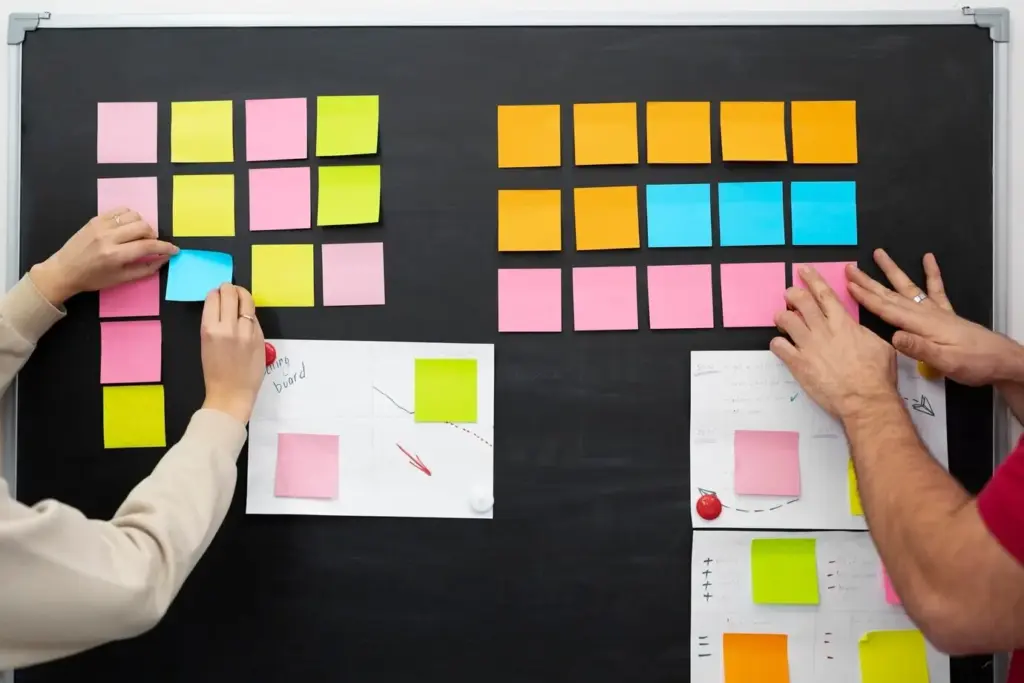
Rise Together, Start Strong

Today we dive into designing inclusive start-of-day routines for diverse teams spanning roles, cultures, time zones, abilities, and neurotypes. Expect practical principles, humane rituals, research-backed methods, and true stories that help every voice be heard before work accelerates. Whether you operate remote, hybrid, or onsite, you will find ways to reduce friction, lift morale, and align priorities without forcing conformity. Share your experiences in the comments and subscribe for experiments, templates, and fresh prompts you can try as early as tomorrow morning.

Belonging Signals That Set the Tone
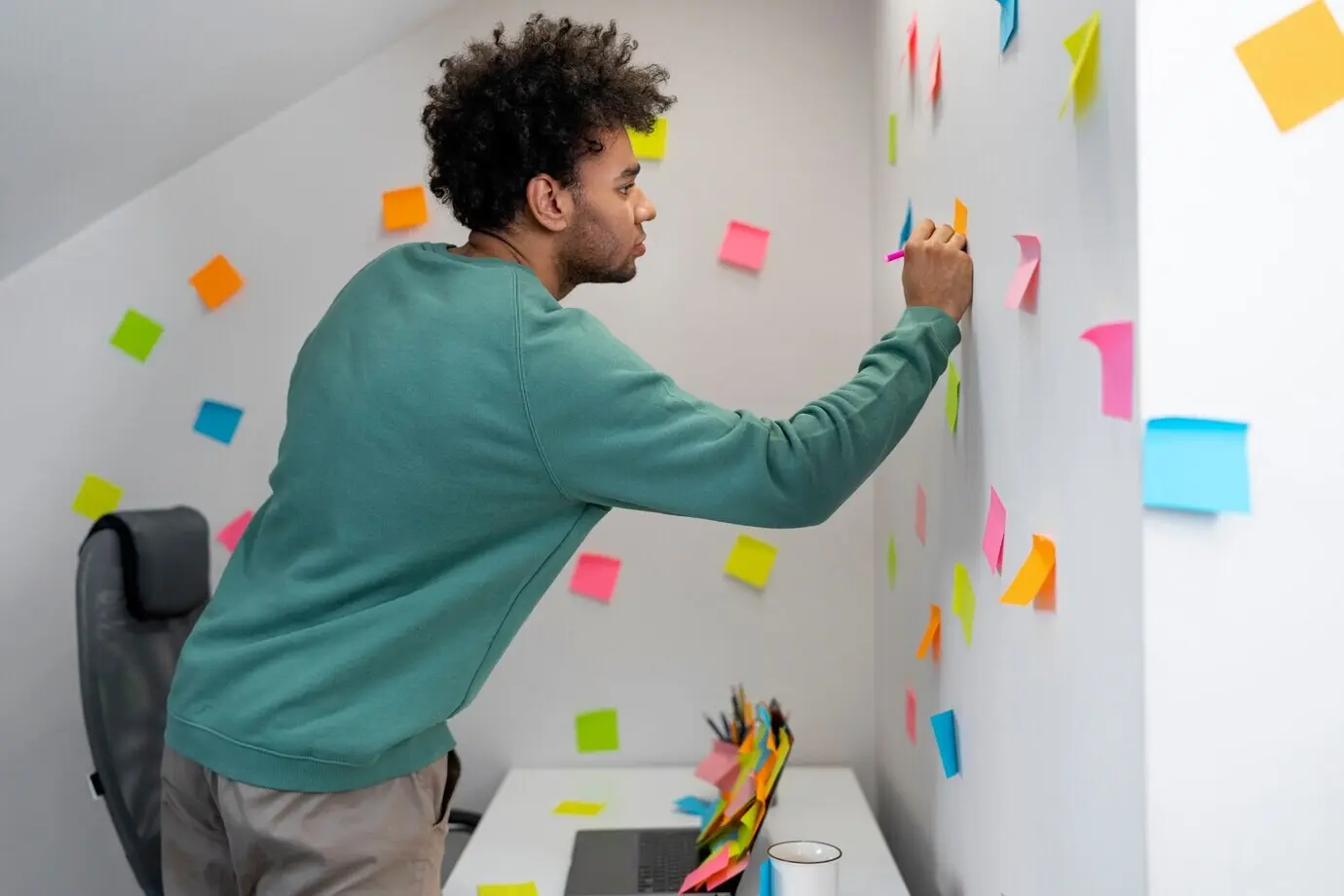
The earliest moments signal who is welcome, who is heard, and how people should show up. Use names correctly, invite pronouns optionally, and allow camera choice without pressure. Offer a short, inclusive prompt that welcomes different energy levels. Translate or summarize jargon. Normalize passing without explanation. These small cues compound into trust, making the rest of the day smoother and more collaborative.

Across Time Zones Without Friction

Morning for one group may be evening for another. To keep everyone aligned, pair a brief synchronous touchpoint with an asynchronous thread that captures highlights, blockers, and commitments. Provide a concise summary digest across channels and time zones. Encourage follow-the-sun handoffs. Avoid requiring attendance outside reasonable hours. People feel respected when routines honor their clocks while maintaining strong continuity and focus.

Universal Design In Action

Build for the edges so everyone benefits. Offer written prompts ahead of time for planners, verbal summaries for auditory learners, and visual cues for quick scanning. Provide captions, readable fonts, and high-contrast slides if any visuals appear. Keep noise low and agendas crisp. When constraints change, adjust the container rather than blaming participation. Inclusion grows when friction shrinks and clarity expands predictably for all.

Asynchronous Mirrors For Live Moments

Anything you do live should have a simple asynchronous mirror. A short form, a designated thread, or a lightweight board can capture the same updates without punishing those outside the meeting. Make responding possible within a reasonable time window. Summarize decisions publicly and tag owners. The goal is equal access to information and influence, even when workdays do not perfectly overlap across regions.

Consent Over Compliance

Participation thrives when people choose in rather than get forced in. Offer camera-optional norms, clear pass options, and rotating roles. Explain why the ritual exists and how it protects both focus and wellbeing. Invite feedback often and act visibly on improvements. When people sense respect for autonomy, they bring more attention and honesty. Psychological safety is not demanded; it is designed and defended together.

Two-Minute Pulse With One Prompt

Choose a single, meaningful question that changes daily or weekly: what matters most today, what could derail progress, or what help do you need. Limit responses to two minutes or three lines. This respects time while yielding insight. Summarize patterns and decisions in one place. The habit sticks because it feels useful, predictable, and mercifully short, yet still rich enough to guide action.

Rotating Facilitation and Shared Ownership

Assign facilitation weekly so everyone experiences leading, listening, and timekeeping. Provide a simple run-of-show checklist and a friendly script. Rotate not just people but styles: sometimes a quiet reflection, sometimes a spirited round. Ownership spreads engagement, surfaces blind spots, and reduces dependency on one charismatic leader. The routine becomes a shared asset rather than a meeting someone survives out of obligation.

Accessibility Baked Into Every Touchpoint

Turn on live captions, share prompts in advance, and provide readable summaries afterward. Use color responsibly and ensure contrast. Offer keyboard-friendly forms, mobile access, and low-bandwidth options. Speak at a considerate pace, pause for processing, and normalize silence. Accessibility is not an add-on; it is the foundation. When barriers drop, signal-to-noise improves, and people contribute more honestly, especially under time pressure.

Stories from the Field

Real teams prove what theory suggests. Across industries and geographies, small morning rituals have boosted focus, kindness, and outcomes. You will find a remote fintech aligning handoffs, a hospital unit reducing stress before rounds, and a creative studio escaping meeting fatigue. Notice the variety of timing, tools, and prompts. The shared thread is consent, clarity, and kindness delivered consistently in just a few minutes.

Measuring What Matters

If it is worth doing every morning, it is worth measuring gently. Track participation quality, not just attendance. Observe voice distribution and sentiment, connect routines to cycle time and incident trends, and compare outcomes before and after adjustments. Use brief, anonymous pulses to detect safety shifts. Publish insights openly. When evidence guides iteration, routines evolve from obligations into trusted infrastructure for focused, healthy collaboration.

Getting Started in One Week

You can pilot a respectful, effective morning routine quickly. Co-design with volunteers, keep the first version simple, and iterate from real feedback. Name the purpose clearly, agree on norms, and timebox everything. Publish a template and a sample script. After a short pilot, keep what works, discard what does not, and invite reflections. Share your learnings below and subscribe for new prompts and facilitation guides.

Day 1–2: Discovery and Consent

Interview a few teammates across roles and time zones. Ask what mornings feel like, where friction spikes, and what would help. Share a concise intent statement and invite participation voluntarily. Draft norms for camera choice, language, and time boundaries. Secure leadership sponsorship without micromanagement. Consent matters: when people understand purpose and choice, they contribute honestly and help refine the routine constructively.

Day 3: Prototype the Morning Flow

Create a tiny blueprint: agenda, a single prompt, roles, and tools. Prepare an asynchronous mirror and an accessible template. Pilot in a small group for realism. Timebox strictly. Capture observations, especially silence patterns and energy shifts. Ensure summaries and action owners are clear. Keep the ritual portable so it survives tool changes. The aim is utility, not polish, empathy first, performance second.

Day 4–5: Pilot, Iterate, and Celebrate

Run the pilot for two mornings. Collect quick pulses and invite open comments. Trim anything that drags, amplify what feels energizing, and publish a short before-and-after snapshot. Thank participants by name, with permission. Share the template for others to try. Schedule a thirty-day check-in for broader rollout decisions. Celebrate tiny wins, because small, respectful mornings compound into resilient, high-trust collaboration over time.

Xiluzoxirura
Privacy Overview

This website uses cookies so that we can provide you with the best user experience possible. Cookie information is stored in your browser and performs functions such as recognising you when you return to our website and helping our team to understand which sections of the website you find most interesting and useful.